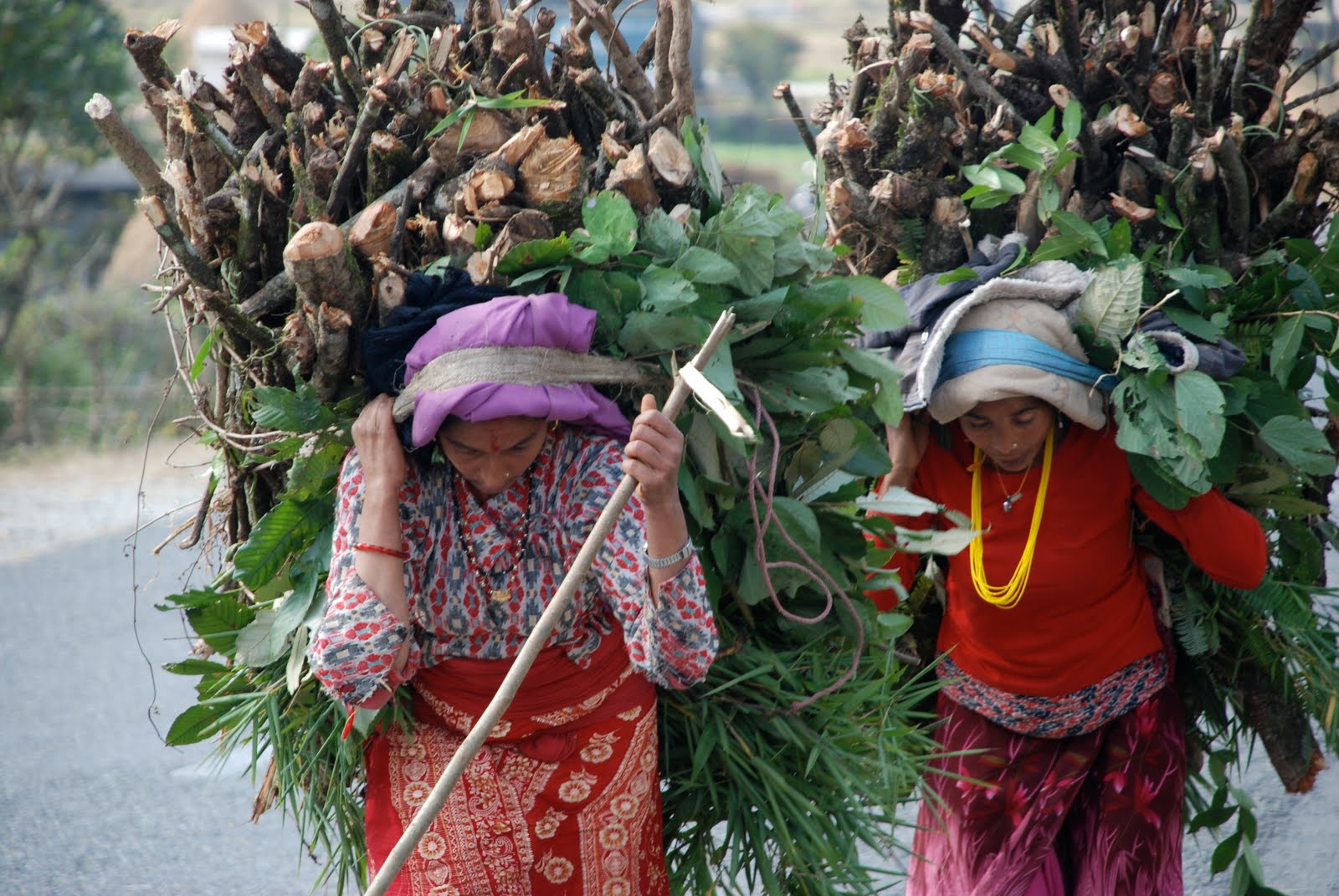
Last November I took my first trip outside of Australia. With my daughter, Amanda I travelled to Nepal and for seven weeks did volunteer work at the Everest Children's Home and then a monastery. From the moment we stepped off the plane it was confronting. The area around the airport looked like a bomb had demolished everything. Not a house looked complete or livable. People were dressed in dirty clothes and beggars knocked on the cab window. As we spent time there we realised that although there was poverty everywhere in Nepal that area was probably the worst. We saw people living on the street or in houses made from sticks and hessian. They ekked out a living any way that they could. However I also noticed something else: people were always smiling and laughing and happy.

The experience in Nepal was life changing. I am not sure how yet, but I know it was. I had two important thoughts. Firstly, how could countries which purport to be world leaders, and caring, christian nations let fellow human beings live in conditions such as this. The second, how resolute the human spirit is. Many Nepalese people live in poverty but they don't complain. They get on with life and smile and joke and laugh.

Nepal is one of the world's smallest and poorest countries. It is 853km long and 225kms wide at its widest (average 160kms wide). It starts at 91metres above sea-level and rises to 8,882 metres. It contains 9 of the world's highest 14 mountains over 7,925 metres, including Everest and Annapurna. Less than a third of the country is suitable for farming.By 2020 the population is expected to be about 34 million. In the 1960s 1 in 3 babies died and the life expectancy was just 29, today life expectancy is over 56.

It was a medieval feudal country up until the ruling Rana government was ousted in 1951. Before this time it wasn't open to tourists or outside visitors. In fact between 1796 and 1950 there are only 130 official visitors to the country recorded. The first group of tourists were in 1955. The country was really opened up in the 1960s by hippies who came for the free drugs and the easy lifestyle. Many lived in Kathmandu in tents, on what is known as Freak Street.

Prithvi Naraya Shah, a king of the House of Gorkha united the country in the second half of the 1700s. There are still older hill people who still do not realise their country is called Nepal.....they think Nepal is a small valley near Kathmandu. Only about 1/5 of the country gets electricity, and these suffer from regulkar blackouts, as we have found out. There is no centralised medical system or public works. However there is very little crime. There is pollution and smog....this comes from cement works, marble quarries and cheap petroland diesel....and causes a lot over dust over everything each day.

Nepal is also the world's only Hindu Kingdom. Hindu, Buddhism and to a lesser extent Christianity all blend together, but religion is very important and seems to permeate through everyday life.

If I had been asked 12 months ago to make a list of the countries i like to visit overseas Nepal would probably not have featured, now it probably heads the list. I think of it as a truly wonderful country, full of contrasts and wonderful people. If you would like to see more about Nepal, or about our adventures there then go to our blog: sevenweeksinnepal.blogspot.com


 Last November I took my first trip outside of Australia. With my daughter, Amanda I travelled to Nepal and for seven weeks did volunteer work at the Everest Children's Home and then a monastery. From the moment we stepped off the plane it was confronting. The area around the airport looked like a bomb had demolished everything. Not a house looked complete or livable. People were dressed in dirty clothes and beggars knocked on the cab window. As we spent time there we realised that although there was poverty everywhere in Nepal that area was probably the worst. We saw people living on the street or in houses made from sticks and hessian. They ekked out a living any way that they could. However I also noticed something else: people were always smiling and laughing and happy.
  The experience in Nepal was life changing. I am not sure how yet, but I know it was. I had two important thoughts. Firstly, how could countries which purport to be world leaders, and caring, christian nations let fellow human beings live in conditions such as this. The second, how resolute the human spirit is. Many Nepalese people live in poverty but they don't complain. They get on with life and smile and joke and laugh.
 Nepal is one of the world's smallest and poorest countries. It is 853km long and 225kms wide at its widest (average 160kms wide). It starts at 91metres above sea-level and rises to 8,882 metres. It contains 9 of the world's highest 14 mountains over 7,925 metres, including Everest and Annapurna. Less than a third of the country is suitable for farming.By 2020 the population is expected to be about 34 million. In the 1960s 1 in 3 babies died and the life expectancy was just 29, today life expectancy is over 56.
 It was a medieval feudal country up until the ruling Rana government was ousted in 1951. Before this time it wasn't open to tourists or outside visitors. In fact between 1796 and 1950 there are only 130 official visitors to the country recorded. The first group of tourists were in 1955. The country was really opened up in the 1960s by hippies who came for the free drugs and the easy lifestyle. Many lived in Kathmandu in tents, on what is known as Freak Street.
 Prithvi Naraya Shah, a king of the House of Gorkha united the country in the second half of the 1700s. There are still older hill people who still do not realise their country is called Nepal.....they think Nepal is a small valley near Kathmandu. Only about 1/5 of the country gets electricity, and these suffer from regulkar blackouts, as we have found out. There is no centralised medical system or public works. However there is very little crime. There is pollution and smog....this comes from cement works, marble quarries and cheap petroland diesel....and causes a lot over dust over everything each day.
 Nepal is also the world's only Hindu Kingdom. Hindu, Buddhism and to a lesser extent Christianity all blend together, but religion is very important and seems to permeate through everyday life.
 If I had been asked 12 months ago to make a list of the countries i like to visit overseas Nepal would probably not have featured, now it probably heads the list. I think of it as a truly wonderful country, full of contrasts and wonderful people. If you would like to see more about Nepal, or about our adventures there then go to our blog: sevenweeksinnepal.blogspot.com